
It has happened to everyone in Pakistan at some point. Your phone rings. You do not recognise the number. You either pick up and hope for the best, or you ignore it and spend the next few minutes wondering who it was.
Sometimes it is nothing — a wrong number or a telecom offer. Other times it is a scammer trying to steal your money. Occasionally it is someone genuinely trying to reach you for a good reason.
The problem is you cannot tell the difference until you know who is calling.
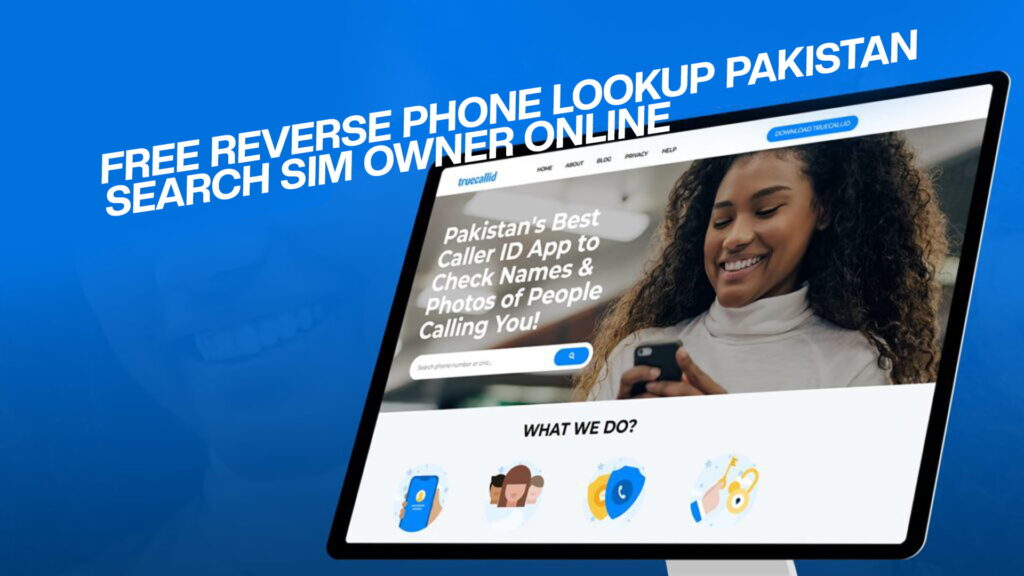
That is exactly the problem TrueCallID was built to solve. It is Pakistan’s best caller ID app, and it gives you the name and even the photo of the person calling before you decide whether to pick up. You can also search any Pakistani mobile number online and find out who owns it — completely free.
This guide explains everything about reverse phone lookup in Pakistan, how TrueCallID works, why it matters, and how to get the most out of it in 2026.
What Is Reverse Phone Lookup?
Reverse phone lookup is a way to search a phone number and find the name of the person it belongs to. Normally, you find someone’s number by looking up their name. Reverse lookup works the other way around — you start with the number and find the name.
It sounds simple, but for years there was no reliable way to do this in Pakistan. If a stranger called you, you had two choices: answer and find out, or ignore and never know.
Apps like TrueCallID changed that. By building a large, continuously updated database of Pakistani phone numbers and the names associated with them, TrueCallID can now tell you who is calling before the call even connects.
The database grows in two ways. First, users voluntarily contribute name information when they save contacts. Second, TrueCallID pulls from publicly available and community-submitted sources to keep records current. The result is one of the most comprehensive phone number databases in Pakistan.
Why Reverse Phone Lookup Matters in Pakistan
Pakistan has over 190 million active mobile subscribers. That is an enormous number of phone connections, and not all of them are used honestly.
Phone-based fraud has grown sharply over the past few years. Scammers call people pretending to be from banks, government agencies, courier companies, and telecom operators. They use urgency and fear to push people into sharing sensitive information or transferring money.
Beyond scams, there are other everyday reasons people in Pakistan need to know who is calling:
Protecting Yourself From Scam Calls
Someone calls claiming your bank account has been compromised and asks for your PIN to verify. Someone says your CNIC is being blocked by NADRA and you need to confirm your details immediately. Someone pretends to be from PTA and says your SIM will be deactivated unless you take action right now.
These scripts are everywhere. The callers sound confident and official. Many people fall for them.
If you could see the caller’s name before answering — or look up the number afterward and find it is widely reported as a scam — you would not be caught off guard. TrueCallID makes that possible.
Screening Calls Before You Answer
Not every unknown number is dangerous. It might be a delivery driver, a job recruiter, a property agent, or a friend calling from a new number. Knowing who is on the other end before you pick up lets you decide how to respond.
Verifying Business Contacts
You met someone at a market or through a WhatsApp group. They gave you their number. Before you do any business with them, a quick reverse phone search tells you whether the name they gave matches what their number is registered under.
Checking on Family Members
A parent notices their teenager is getting calls from an unknown number late at night. A quick search on TrueCallID can give them a name, which they can follow up on with a direct conversation.
Reconnecting With Someone
You found an old number written somewhere but cannot remember whose it was. Rather than calling awkwardly and hoping for the best, search the number first.
About TrueCallID
TrueCallID is Pakistan’s best caller ID app for checking the names and photos of people calling you. It combines a powerful reverse phone lookup database with a smart caller ID system that works in real time.
When someone calls you, TrueCallID shows you their name and photo — even if you have never saved their number. When you want to search a number manually, you can do it directly through the platform with results in seconds.
What makes TrueCallID stand out from other apps is the combination of scale, accuracy, and Pakistan-specific focus. Many global caller ID apps work reasonably well for international numbers but have thin coverage for Pakistani mobile numbers. TrueCallID is built specifically for Pakistan, which means the database is far more comprehensive for local numbers across all five networks.
Features That Make TrueCallID Useful
Real-time caller ID: See the name and photo of incoming callers before you answer, even for unsaved numbers.
Reverse phone search: Manually search any Pakistani mobile number and get the registered name.
Spam and scam detection: Numbers flagged by other users as spam, fraud, or harassment are marked automatically, giving you an instant warning.
Contact management: Save and organise contacts with more information than a standard phone book allows.
Free to use: Core search and caller ID features are available at no cost.
How to Do a Free Reverse Phone Lookup on TrueCallID
Searching an unknown number on TrueCallID takes about ten seconds. Here is how it works:
Step 1: Visit TrueCallID
Open TrueCallID from your mobile browser or desktop. The interface is clean and loads quickly even on slower connections.
Step 2: Enter the Phone Number
Type the Pakistani mobile number you want to search. You can enter it in the local format (03XX-XXXXXXX) or with the country code (+923XX-XXXXXXX).
Step 3: Run the Search
Hit the search button. TrueCallID cross-references the number against its database and returns the result.
Step 4: Review the Name and Details
The result shows the name associated with the number, a photo if available, and any spam or fraud flags raised by other users.
That is it. No account needed, no payment, no waiting.
How TrueCallID Builds Its Database
A caller ID database is only as useful as the information inside it. TrueCallID builds and updates its database through several channels:
Community Contributions
When TrueCallID users save a contact in their phone under a specific name, that association is added to the database (with privacy protections in place). Because millions of people use the app, the database grows quickly and continuously reflects real-world naming patterns.
Spam Reports
Users can flag numbers as spam, fraud, or harassment directly through TrueCallID. These reports are aggregated and attached to the number in the database, so future callers see a warning when that number calls or is searched.
Verified Business Listings
Registered businesses in Pakistan can claim and verify their numbers on TrueCallID. This means that when a legitimate company calls you — a bank, a courier, a hospital — their name appears clearly rather than showing up as unknown.
Public Data Sources
TrueCallID also incorporates publicly available phone number and name data to fill gaps in the community-sourced information.
Understanding Pakistani Mobile Networks and Number Formats
Knowing how Pakistani mobile numbers are structured helps you search more accurately on TrueCallID. Every Pakistani mobile number has a specific prefix that tells you which network issued it.
| Prefix Range | Network |
|---|---|
| 0300–0303, 0306–0307 | Jazz / Warid |
| 0304–0305, 0310–0315, 0340–0348 | Zong |
| 0320–0325, 0330–0335 | Telenor |
| 0360–0369 | Ufone |
TrueCallID supports reverse phone lookup across all of these networks. Whether the number starts with 0321 (Telenor) or 0311 (Zong) or 0300 (Jazz), the search works the same way.
Pakistani mobile numbers are always 11 digits long, including the leading zero. When entering with the country code, drop the zero and add +92 at the start, giving you a 12-digit number.
What the Results Actually Tell You
When TrueCallID returns results for a number search, here is what you might see:
Name: The name associated with the number based on how it is saved by other users or from verified data sources. This is the most important piece of information for most searches.
Photo: If the person has a profile photo linked to their number through the app or other connected sources, it may appear alongside the name.
Spam Score: Numbers that have been flagged multiple times by different users show a spam score or warning label. A high spam score means many people have reported that number as problematic.
Caller Tags: Users sometimes add tags like “telemarketer,” “bank,” “delivery,” or “fraud” to numbers they have dealt with. These tags appear in the results and give you immediate context.
Network Operator: The mobile network that issued the number is shown, which can sometimes give you additional context.
Common Scam Patterns in Pakistan and How Caller ID Helps
Phone scams in Pakistan follow recognisable patterns. Knowing them makes TrueCallID even more useful because you can match what you see in the results against what the caller is saying.
The Bank Fraud Call
A caller says they are from your bank’s fraud department. They claim suspicious activity was detected on your account and ask you to verify your card number, PIN, or OTP to “secure” it.
Real banks do not ask for PINs or OTPs over the phone. If you search the incoming number on TrueCallID before or during the call and find it has been flagged by other users as fraud, that confirms what your instincts already told you.
The NADRA / CNIC Threat Call
A caller claims your CNIC is involved in criminal activity or will be blocked unless you cooperate. They may ask you to share your ID details or visit a specific location.
NADRA does not make unsolicited calls threatening to block CNICs. Search the number on TrueCallID — these numbers are almost always flagged by previous victims.
The Prize or Lottery Call
A caller says you have won a prize — a car, cash, a mobile phone — and just need to pay a small processing fee to claim it. Once you pay, they disappear.
These numbers circulate widely and get flagged quickly in TrueCallID’s spam reporting system.
The Fake Job Offer
A caller claims to be from a recruitment agency or company offering high-paying work. They eventually ask for a registration fee, a “security deposit,” or personal documents.
Job offers that come with upfront fees are almost always scams. TrueCallID’s caller tags often identify these numbers as “job scam” based on previous reports.
The Emotional Manipulation Call
A caller pretends to be a relative in distress — claiming to be in an accident, in police custody, or in the hospital — and asks for money urgently. They rely on panic to stop you from thinking clearly.
Taking ten seconds to search the number before sending money can break the spell. If the number does not match any family member you recognise, pause and call a known number for that relative directly.
Using TrueCallID vs. Other Caller ID Options in Pakistan
There are a few options available to Pakistani users who want to identify unknown callers. Here is how they compare:
Truecaller (International App)
Truecaller is a global caller ID app with a massive international database. It works reasonably well in Pakistan but its coverage for local numbers — especially numbers in smaller cities, rural areas, and older registrations — is thinner than a Pakistan-specific tool.
TrueCallID is built specifically for Pakistan, which means the database is more focused and the spam reporting community is made up of Pakistani users who have encountered Pakistani-specific scam numbers.
Contacting the Network Operator
You can call your mobile network’s customer service and ask about a number. They will rarely provide name information to ordinary customers due to privacy policies. This option is slow and unreliable for personal verification.
PTA’s Complaint System
PTA accepts complaints about harassing or fraudulent numbers. But their system is for reporting problems after the fact, not for quickly identifying who called you. It is not a lookup tool.
TrueCallID
Fast, free, Pakistan-specific, and built for this exact purpose. It covers all networks, shows name and photo where available, displays community spam flags, and works from any browser or mobile device.
For most everyday use cases in Pakistan, TrueCallID is the most practical option.
Privacy: What TrueCallID Does and Does Not Share
A fair question about any caller ID service is: what happens to my own data?
TrueCallID is designed to help users identify others, but it operates within a framework that also respects user privacy. Here is what that means in practice:
Names in the database come from voluntary contact saves and public data, not from accessing private records. No financial information, location data, or message content is accessed or stored.
Users who want their own number removed from the database can request delisting. This is a standard feature of responsible caller ID platforms and TrueCallID supports it.
The spam reporting feature is aggregate and anonymous — when you flag a number, your identity is not attached to the report.
Using TrueCallID for identifying unknown callers, verifying business contacts, or protecting yourself from scams falls squarely within normal and responsible use. Using any identification tool to stalk, harass, or harm someone is not acceptable regardless of the platform.
Tips to Get Better Results on TrueCallID
A few habits will make your reverse phone lookup searches more accurate and useful:
Try both number formats. If searching 0321-1234567 gives no result, try +923211234567. Some entries in the database use one format or the other.
Read the tags, not just the name. The community tags on a number often tell you more than the name alone. A number saved as “Delivery Driver” tells you it is safe to answer. A number tagged “Fraud” or “Scam” tells you everything you need to know.
Report numbers after you receive scam calls. Every report you file makes TrueCallID more useful for the next person who gets a call from that number. It takes about five seconds and protects others in the community.
Check numbers before transferring money. If someone contacts you through a mobile number asking for a payment, always search the number first. This single habit can prevent most mobile payment scams.
Install the app for real-time protection. While the web search is useful for manual lookups, the mobile app provides automatic caller ID on every incoming call without you having to search manually. If you receive many unknown calls, the app gives you passive, ongoing protection.
Who Uses TrueCallID in Pakistan?
The short answer is: a wide range of people, for different reasons.
Individuals use it to screen personal calls, identify scammers, and reconnect with people they have lost touch with.
Small business owners use it to verify the numbers of suppliers, customers, and partners before entering agreements.
Freelancers and remote workers who receive calls from clients and recruiters use it to confirm identities before sharing sensitive information.
Parents use it to check who is calling their children.
Elderly people — or their family members on their behalf — use it to avoid phone fraud, which disproportionately targets older adults.
HR professionals use it as a quick, basic verification step when receiving unsolicited job applications or calls from unknown recruiter numbers.
Property agents and buyers use it to verify each other before arranging visits or transactions.
The common thread is that all of these people have the same problem: they received a call or message from a number they did not know, and they needed a fast, reliable way to find out who it was.
Yes. The core features of TrueCallID — including reverse phone lookup and caller ID — are free. You can search any Pakistani mobile number and see the associated name without creating an account or making any payment. Visit TrueCallID directly from your browser to start searching.
TrueCallID uses a large community-built database where names are linked to phone numbers based on how other users have saved those contacts. When millions of users save a number under the same name, that association becomes highly reliable. The database is updated continuously as new contacts are saved and new spam reports are submitted.
Yes. TrueCallID supports phone number lookup across all major Pakistani networks including Jazz, Telenor, Zong, Ufone, and Warid. Enter the number in the search box regardless of the prefix and the system will return whatever information is available for that number.
Do not answer calls from numbers marked as spam, and do not return missed calls from them. If the number has already called you or sent messages, do not engage with any instructions they gave. You can report the number through TrueCallID if you have had direct contact with it, which helps protect other users. For serious cases involving fraud or threats, file a complaint with the FIA Cybercrime Wing.
Yes. TrueCallID allows users to request the removal of their own number from the database. This is sometimes called “unlisting” or “opting out.” Visit TrueCallID and look for the privacy or data removal option to submit your request. The process is straightforward and your number will no longer appear in search results once the request is processed.
Final Thoughts
Unknown calls are not going away. If anything, they are getting more frequent as scammers become more organised and more aggressive. The gap between people who know how to protect themselves and people who do not is growing.
TrueCallID closes that gap. It puts the same caller identification power that mobile networks and law enforcement take for granted into the hands of ordinary people — for free, in seconds, from any device.
Whether you want to screen an incoming call, verify a business contact, check who has been calling a family member, or simply satisfy your curiosity about a number that keeps showing up, TrueCallID has what you need.
Visit TrueCallID and run your first search today.